Essential Logistics Solutions for Efficient Supply Chains
In today's fast-paced market, the efficiency of supply chains can make or break a business. Companies are constantly seeking ways to enhance their logistics operations to meet customer demands while minimizing costs. This blog post explores essential logistics solutions that can streamline supply chains, improve efficiency, and ultimately lead to greater customer satisfaction.
Understanding Supply Chain Logistics
Supply chain logistics involves the planning, implementation, and control of the flow of goods, services, and information from the point of origin to the point of consumption. It encompasses various activities, including transportation, warehousing, inventory management, and order fulfillment. A well-structured logistics system is crucial for ensuring that products reach customers on time and in good condition.
Key Components of Supply Chain Logistics
Transportation
Transportation is the backbone of supply chain logistics. It involves moving goods from suppliers to manufacturers, and from manufacturers to retailers or customers. Efficient transportation methods can significantly reduce costs and delivery times. Companies often use a mix of transportation modes, including road, rail, air, and sea, to optimize their logistics.
Warehousing
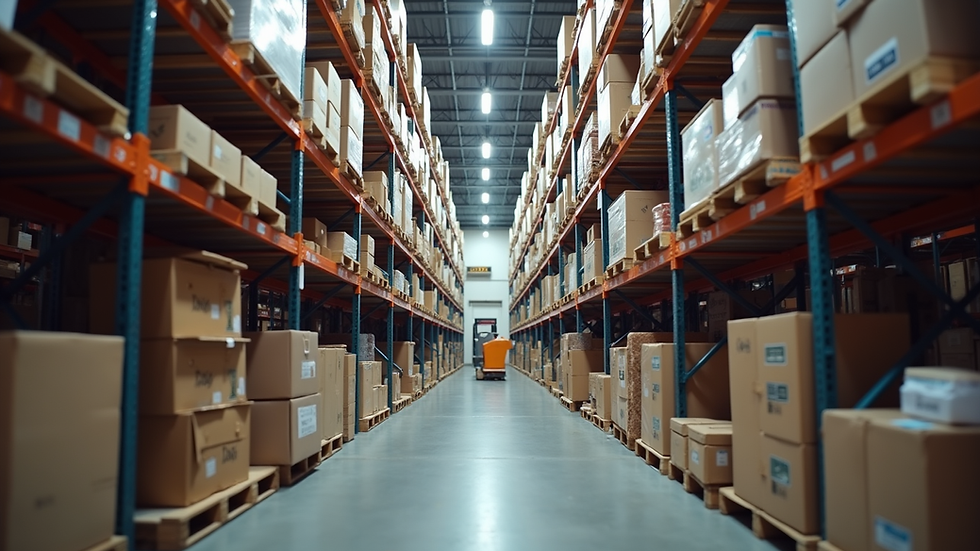
Warehousing plays a critical role in supply chain logistics. It involves storing goods until they are needed for distribution. Efficient warehousing practices, such as using automated systems and optimizing storage layouts, can enhance inventory management and reduce holding costs.
Inventory Management
Effective inventory management ensures that the right amount of product is available at the right time. This involves tracking stock levels, forecasting demand, and implementing just-in-time (JIT) inventory systems to minimize excess stock and reduce costs.
Order Fulfillment
Order fulfillment is the process of receiving, processing, and delivering customer orders. Streamlined order fulfillment processes can lead to faster delivery times and improved customer satisfaction. This includes efficient picking, packing, and shipping practices.
Information Technology
Technology plays a vital role in modern logistics. Advanced software solutions can help manage inventory, track shipments, and analyze data to improve decision-making. Implementing a robust logistics management system can enhance visibility and control over the entire supply chain.
Essential Logistics Solutions
To achieve an efficient supply chain, businesses must adopt various logistics solutions tailored to their specific needs. Here are some essential solutions to consider:
1. Transportation Management Systems (TMS)
A Transportation Management System (TMS) is software that helps businesses plan, execute, and optimize the movement of goods. TMS solutions can provide real-time tracking, route optimization, and freight auditing, leading to reduced transportation costs and improved delivery times.
Example:
A retail company implemented a TMS that allowed them to optimize delivery routes based on traffic patterns and customer locations. As a result, they reduced transportation costs by 15% and improved delivery times by 20%.
2. Warehouse Management Systems (WMS)
A Warehouse Management System (WMS) is designed to support warehouse operations by managing inventory levels, tracking stock movements, and optimizing storage space. A WMS can enhance order accuracy and speed up the fulfillment process.
Example:
A manufacturing firm adopted a WMS that automated their inventory tracking and order picking processes. This led to a 30% increase in order fulfillment speed and a significant reduction in picking errors.
3. Inventory Optimization Tools
Inventory optimization tools help businesses maintain the right balance of stock levels. These tools analyze historical sales data, forecast demand, and suggest optimal reorder points to prevent stockouts and overstock situations.
Example:
An e-commerce company used inventory optimization software to analyze sales trends and adjust their stock levels accordingly. This resulted in a 25% reduction in excess inventory and improved cash flow.
4. Real-Time Tracking Solutions
Real-time tracking solutions provide visibility into the location and status of shipments throughout the supply chain. This transparency allows businesses to proactively address delays and improve customer communication.
Example:
A logistics provider implemented real-time tracking for their shipments, allowing customers to monitor their orders. This increased customer satisfaction and reduced inquiries about order status.
5. Collaborative Logistics Platforms
Collaborative logistics platforms enable businesses to share information and resources with partners in the supply chain. This collaboration can lead to improved efficiency, reduced costs, and enhanced service levels.
Example:
A group of manufacturers formed a collaborative logistics network to share transportation resources. By pooling their shipments, they reduced transportation costs by 20% and improved delivery reliability.
The Role of Technology in Logistics
Technology is transforming the logistics landscape, providing businesses with tools to enhance efficiency and reduce costs. Here are some key technological advancements shaping the future of logistics:
1. Automation and Robotics
Automation and robotics are increasingly being used in warehouses and distribution centers to streamline operations. Automated systems can handle tasks such as picking, packing, and sorting, leading to faster processing times and reduced labor costs.
2. Artificial Intelligence (AI)
AI can analyze vast amounts of data to identify patterns and make predictions. In logistics, AI can optimize routes, forecast demand, and enhance inventory management, leading to more informed decision-making.
3. Internet of Things (IoT)
The Internet of Things (IoT) connects devices and sensors to the internet, allowing for real-time data collection and analysis. In logistics, IoT can provide insights into equipment performance, shipment conditions, and inventory levels.
4. Blockchain Technology
Blockchain technology offers a secure and transparent way to track transactions and shipments. This can enhance traceability, reduce fraud, and improve trust among supply chain partners.
Challenges in Logistics Management
While there are numerous solutions available, businesses also face challenges in logistics management. Understanding these challenges is crucial for developing effective strategies.
1. Rising Transportation Costs
Transportation costs are a significant portion of logistics expenses. Fluctuating fuel prices, driver shortages, and increased demand can drive these costs higher. Businesses must continuously seek ways to optimize their transportation strategies.
2. Supply Chain Disruptions
Natural disasters, geopolitical events, and pandemics can disrupt supply chains, leading to delays and increased costs. Companies must develop contingency plans and diversify their supply sources to mitigate these risks.
3. Regulatory Compliance
Logistics operations must comply with various regulations, including safety standards, environmental regulations, and trade compliance. Staying informed about changing regulations is essential for avoiding penalties and ensuring smooth operations.
4. Customer Expectations
As e-commerce continues to grow, customer expectations for fast and reliable delivery are increasing. Businesses must adapt their logistics strategies to meet these demands while maintaining cost efficiency.
Best Practices for Efficient Logistics
To enhance logistics efficiency, businesses should adopt the following best practices:
1. Invest in Technology
Investing in the right technology can significantly improve logistics operations. From TMS and WMS to real-time tracking and inventory optimization tools, leveraging technology can lead to better decision-making and increased efficiency.
2. Foster Collaboration
Collaboration among supply chain partners can lead to improved efficiency and reduced costs. Establishing strong relationships with suppliers, carriers, and customers can enhance communication and streamline operations.
3. Continuously Monitor Performance
Regularly monitoring logistics performance metrics, such as delivery times, order accuracy, and transportation costs, can help identify areas for improvement. Implementing key performance indicators (KPIs) can provide valuable insights into logistics operations.
4. Embrace Sustainability
Sustainable logistics practices, such as reducing waste, optimizing transportation routes, and using eco-friendly packaging, can enhance a company's reputation and reduce costs. Consumers are increasingly favoring businesses that prioritize sustainability.
5. Train Employees
Investing in employee training can improve logistics operations. Ensuring that staff are knowledgeable about best practices, technology, and safety protocols can enhance efficiency and reduce errors.
Conclusion
Efficient supply chains are essential for business success in today's competitive landscape. By adopting essential logistics solutions, leveraging technology, and implementing best practices, companies can streamline their operations, reduce costs, and improve customer satisfaction. As the logistics landscape continues to evolve, staying informed and adaptable will be key to maintaining a competitive edge.
By focusing on these strategies, businesses can build a strong foundation for their logistics operations, ensuring they meet customer demands while navigating the complexities of the supply chain. The journey towards efficient logistics is ongoing, but with the right tools and mindset, companies can thrive in the ever-changing market.


Comments